
Finding thick layers of ice inside your freezer can be frustrating. While a small amount of frost may develop occasionally, excessive ice buildup is usually a sign that something isn’t working properly. Left untreated, the problem can reduce cooling efficiency, increase electricity consumption, limit storage space, and even shorten the lifespan of your refrigerator.
Many freezer problems are connected to the refrigerator’s cooling system. If the frost keeps returning after defrosting, it could indicate a fault that requires professional attention. Homeowners looking for fridge repair Dubai often discover that repairing the underlying issue restores both the refrigerator and freezer to normal performance.
Understanding why ice forms inside your freezer can help you prevent costly breakdowns and keep your appliance operating efficiently.
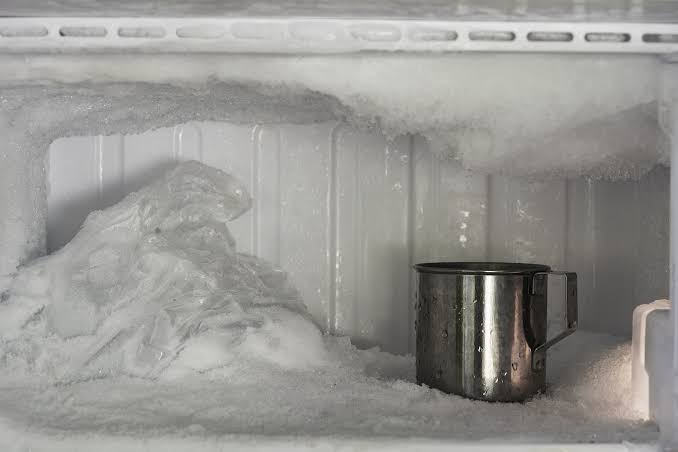
Is Frost Inside a Freezer Normal?
A thin layer of frost may appear occasionally, especially if the freezer door is opened frequently. Modern frost-free refrigerators are designed to remove this frost automatically during scheduled defrost cycles.
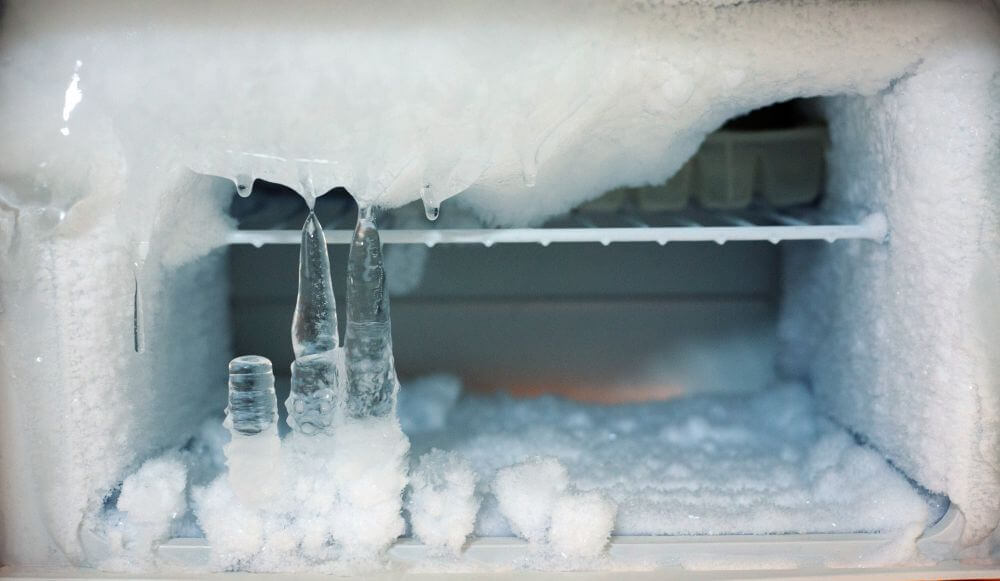
However, thick ice on the walls, shelves, evaporator cover, or around the door is not normal. Excessive frost usually means warm, humid air is entering the freezer or one of the cooling components is no longer functioning correctly.
Ignoring the problem forces the compressor to work harder, increases energy bills, and may eventually lead to cooling failure.
Damaged Door Seal
One of the most common causes of ice buildup is a damaged door gasket.
The rubber seal around the freezer door keeps cold air inside while preventing warm, moist air from entering. As the gasket ages, it can crack, become loose, or lose its flexibility.
When warm air enters the freezer, moisture immediately freezes, creating layers of frost over time.
Signs of a faulty door seal include:
- Frost around the door edges
- Condensation near the gasket
- The door not closing tightly
- Higher electricity bills
- Uneven cooling
Replacing a worn gasket is often a simple repair that prevents future frost problems.
Opening the Door Too Often
Every time the freezer door is opened, warm air enters the compartment.
Although the cooling system quickly lowers the temperature again, the moisture in the incoming air freezes onto cold surfaces. Frequent door openings throughout the day gradually create heavy frost buildup.
Try to organise your frozen food so you can quickly find what you need without leaving the door open for long periods.
The Door Isn’t Closing Properly
Sometimes ice forms simply because the freezer door has been left slightly open.
Large food containers, overfilled shelves, or damaged hinges may prevent the door from sealing completely.
Even a small gap allows warm air to enter continuously, leading to rapid frost accumulation.
Always check that the door closes securely after every use.
Faulty Automatic Defrost System
Most modern refrigerators include an automatic defrost system that removes frost before it becomes visible.
This system usually consists of:
- Defrost heater
- Defrost thermostat
- Defrost sensor
- Electronic control board
If any of these components fail, frost continues building on the evaporator coils before spreading throughout the freezer compartment.
Common symptoms include:
- Thick frost behind the rear panel
- Weak cooling
- Constant compressor operation
- Ice covering the evaporator area
A professional fridge repair technician can diagnose which component has failed and recommend the appropriate repair.
Defrost Heater Failure
The defrost heater melts frost from the evaporator coils during scheduled defrost cycles.
When the heater stops working, ice gradually covers the coils, restricting airflow and reducing cooling efficiency.
Eventually, both the refrigerator and freezer compartments may struggle to maintain the correct temperature.
Replacing a faulty heater restores normal automatic defrost operation.
Blocked Air Vents
Cold air must circulate freely throughout the freezer.
If food blocks the air vents, certain areas become colder than others, encouraging frost to form.
To improve airflow:
- Avoid overloading the freezer.
- Leave small gaps between food items.
- Keep ventilation openings clear.
- Arrange food neatly on shelves.
Good airflow improves cooling efficiency and reduces unnecessary ice formation.
High Humidity Levels
Dubai experiences high humidity for much of the year.
Whenever humid air enters the freezer, moisture quickly freezes onto cold surfaces.
Although humidity cannot be controlled completely, limiting the amount of time the freezer door remains open helps reduce frost buildup.
Placing Hot Food Inside the Freezer
Warm food releases steam while cooling.
The moisture from this steam freezes almost immediately, contributing to excessive ice formation.
Allow cooked food to cool to room temperature before placing it inside the freezer.
This simple habit also helps maintain a stable internal temperature.
Evaporator Fan Problems
The evaporator fan distributes cold air evenly throughout the freezer.
If the fan becomes faulty, airflow decreases, creating cold spots where frost forms more rapidly.
Warning signs include:
- Weak airflow
- Uneven freezing
- Strange noises
- Food thawing in certain areas
- Ice around specific sections of the freezer
Professional diagnosis ensures the fan motor and related components are inspected correctly.
Thermostat Malfunction
The thermostat monitors internal temperatures and controls compressor operation.
If it fails, the freezer may run longer than necessary or fail to activate the defrost cycle properly.
This often results in:
- Thick frost
- Uneven temperatures
- Increased electricity consumption
- Continuous compressor operation
Replacing a faulty thermostat restores normal cooling performance.
Why You Shouldn’t Ignore Ice Buildup
Many homeowners simply remove the ice and continue using the freezer.
Unfortunately, this only treats the symptom rather than the actual problem.
If frost continues returning, the appliance may eventually develop:
- Compressor strain
- Higher electricity bills
- Reduced cooling
- Food spoilage
- Complete cooling failure
Early diagnosis prevents expensive repairs and helps extend the life of your appliance.
Preventive Maintenance Tips
Keeping your refrigerator and freezer in good condition requires only a few simple habits.
Follow these recommendations:
- Inspect the door seal regularly.
- Clean the gasket with a damp cloth.
- Avoid leaving the door open.
- Never overload the freezer.
- Allow hot food to cool first.
- Keep air vents unobstructed.
- Defrost manual freezers when necessary.
- Schedule regular appliance inspections.
Preventive maintenance reduces wear on important cooling components while improving energy efficiency.
When Should You Call a Professional?
If heavy frost keeps returning after manual defrosting, the appliance probably has an underlying mechanical or electrical fault.
You should arrange professional service if you notice:
- Ice returning within a few days
- Weak cooling performance
- Continuous compressor operation
- Water leaking inside the appliance
- Loud noises
- Food not staying frozen
- Temperature fluctuations
Instead of repeatedly searching for a fridge repair near me, it’s best to have the appliance inspected before the problem becomes more expensive to repair.
Why Choose FixFast LLC?
At FixFast LLC, we provide professional fridge repair in Dubai for all major refrigerator and freezer brands. Our experienced technicians diagnose faulty defrost systems, damaged door seals, evaporator fan problems, thermostats, compressors, and other cooling issues using advanced diagnostic equipment.
Whether you own a Samsung, LG, Bosch, Whirlpool, Siemens, Haier, Panasonic, or another leading brand, we deliver reliable repair solutions designed to restore efficient cooling performance.
If you own a Samsung refrigerator and are searching for Samsung fridge repair near me, our experienced technicians can accurately diagnose frost buildup, cooling failures, and defrost system problems using manufacturer-recommended repair methods.
Frequently Asked Questions
Why does my freezer keep building up ice?
The most common causes include damaged door seals, faulty defrost systems, blocked air vents, high humidity, or frequent door opening.
Can excessive frost damage my freezer?
Yes. Thick frost restricts airflow, reduces cooling efficiency, increases electricity consumption, and places additional strain on the compressor.
Is manual defrosting enough to solve the problem?
Manual defrosting removes existing ice, but if the frost returns quickly, there is usually an underlying fault that should be repaired.
How often should I have my refrigerator inspected?
A professional inspection once a year helps identify worn components before they develop into major problems.
Can a faulty defrost system be repaired?
Yes. Defrost heaters, thermostats, sensors, and control boards can often be repaired or replaced by experienced technicians.
Conclusion
Ice building up inside your freezer is more than just an inconvenience—it is often an early warning sign of a damaged door seal, faulty defrost system, blocked airflow, or another cooling problem. Addressing these issues promptly helps maintain efficient performance, protects your food, and extends the lifespan of your appliance. If heavy frost continues to return despite regular defrosting, FixFast LLC provides trusted fridge repair Dubai services to diagnose the root cause and restore reliable cooling for homes and businesses across Dubai.