
A washing machine is designed to handle hundreds of wash cycles every year, but continuous use eventually causes wear on its electrical, mechanical, and electronic components. When performance begins to decline, many homeowners focus only on the visible problem, such as water leakage or poor spinning, without realizing that several internal systems may be involved. A professional inspection helps identify the actual cause of the fault before repairs begin, ensuring the appliance is restored safely and efficiently.
Whether you’re searching for washing machine repair, a trusted washing machine repair service, or reliable washing machine repair Dubai, understanding the inspection process helps you appreciate why professional diagnostics often save both time and money. Instead of replacing parts based on assumptions, experienced technicians evaluate the appliance as a complete system, allowing them to recommend the most effective repair solution.
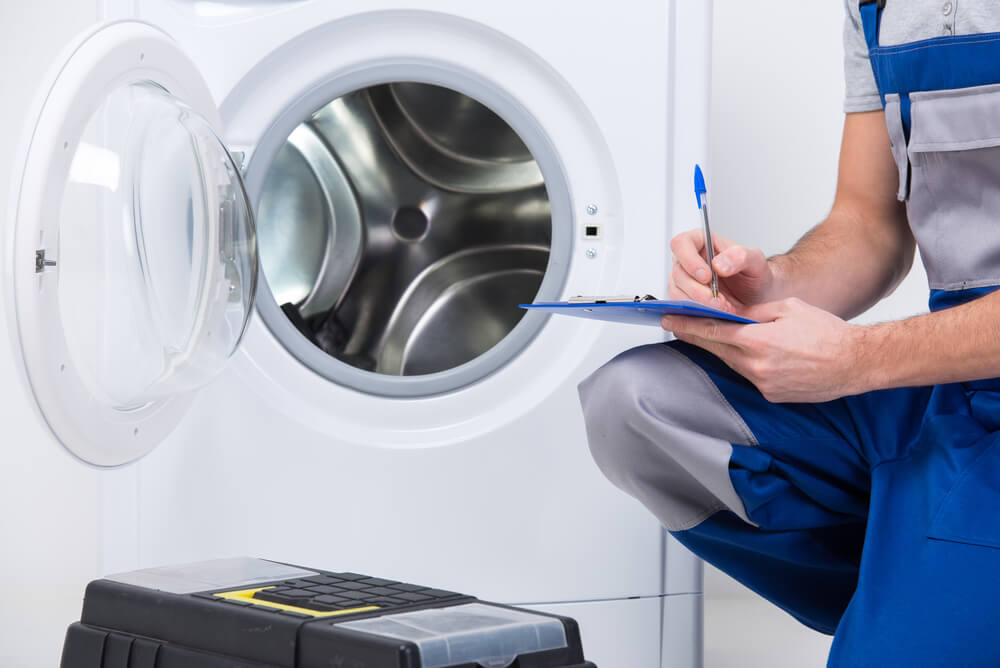
Why a Professional Inspection Is More Than a Basic Check
Modern washing machines are equipped with intelligent control systems that manage water levels, drum movement, spin speed, heating, and drainage automatically. When one component develops a fault, the machine may continue operating while showing subtle warning signs before eventually breaking down.
A professional inspection looks beyond the obvious symptoms. Rather than concentrating on one faulty part, technicians assess the overall condition of the appliance to determine whether the issue is electrical, mechanical, hydraulic, or electronic. This systematic approach improves repair accuracy while reducing unnecessary replacement costs.
It also helps homeowners make informed decisions about whether repairing the appliance is more practical than replacing it.
Gathering Information Before Testing Begins
Every successful inspection starts with understanding how the problem developed. Experienced technicians begin by asking questions about the appliance’s recent performance.
They may ask whether the washing machine completes its cycle, if unusual noises occur during spinning, whether water leaks appear after every wash, or if error codes have been displayed. Information about recent electrical interruptions, unusual smells, or gradual performance changes also helps narrow down possible causes.
This conversation provides valuable clues that guide the rest of the inspection and reduces the time required to diagnose the fault accurately.
External Inspection of the Appliance
Before opening the washing machine, technicians examine its external condition to identify visible problems.
The inspection usually includes checking water inlet hoses, drain hoses, electrical connections, the power cable, appliance stability, door seals, detergent drawer, cabinet condition, and signs of corrosion or previous water damage.
Although these components appear simple, many common problems originate from loose hose connections, damaged seals, blocked filters, or improper installation. Correcting these issues early may eliminate the need for more extensive repairs.
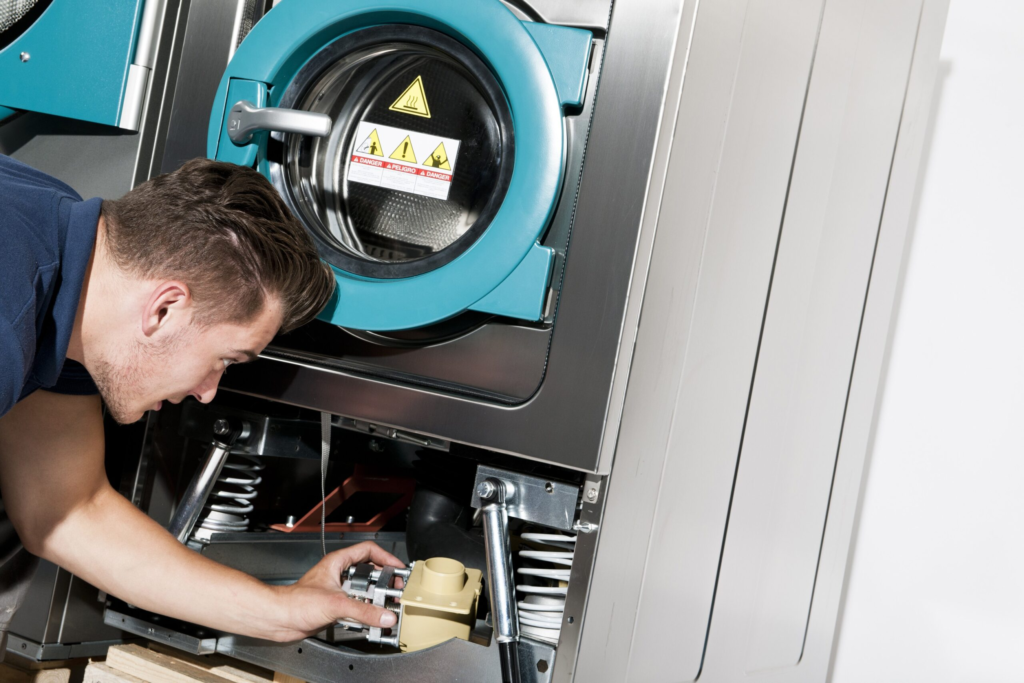
Electronic System Diagnostics
Today’s washing machines rely heavily on electronic technology. The control board constantly communicates with sensors, valves, motors, heating elements, and safety systems throughout every wash cycle.
Professional technicians use diagnostic tools to evaluate stored fault codes, communication errors, voltage readings, sensor signals, software functions, and electronic control modules. Unlike basic troubleshooting, this process helps identify hidden faults that may not produce visible symptoms.
Accurate electronic diagnostics are especially important for inverter washing machines and smart appliances that contain sophisticated digital systems.
Evaluating the Motor and Drive System
The drive system is responsible for rotating the drum during both washing and spinning. Continuous operation places significant stress on the motor, bearings, and associated components over time.
During inspection, technicians evaluate motor performance, electrical resistance, drive mechanisms, pulley alignment, vibration levels, and overall operating efficiency.
If unusual noises occur while the drum rotates, the inspection also includes checking for worn bearings, damaged couplings, or mechanical imbalance. Detecting these issues early often prevents expensive internal damage.
Inspecting the Water Supply and Drainage System
Efficient washing depends on proper water circulation from the beginning to the end of every cycle.
Technicians inspect the water inlet valves, supply hoses, drain pump, drain filter, drainage hose, pressure switch, and water flow throughout the appliance. Even a partially blocked drain filter or restricted hose can interrupt the washing cycle or leave clothing excessively wet after spinning.
Proper drainage inspection also helps identify hidden blockages that may cause unpleasant odors or repeated error messages.
Checking Drum Movement and Suspension
Smooth drum movement is essential for stable operation. Excessive vibration, loud knocking sounds, or movement during spinning often indicate mechanical wear.
Technicians inspect the drum bearings, suspension springs, shock absorbers, balancing system, drum alignment, and mounting points to ensure everything operates correctly.
Instead of replacing suspension parts simply because vibration exists, professionals determine whether the cause is mechanical wear, uneven loading, bearing failure, or another underlying issue.
Testing the Heating System
Many washing machines use heating elements to improve cleaning performance by maintaining appropriate water temperatures.
During inspection, technicians examine the heating element, temperature sensor, thermostat, electrical continuity, and associated wiring. If water fails to heat correctly, detergent may not dissolve properly, resulting in poor washing performance and increased energy consumption.
Accurate testing identifies whether the problem originates from the heating system itself or from the electronic control system managing it.
Verifying Safety Features
Safety is an essential part of every professional inspection.
Technicians examine the door locking mechanism, child safety features, electrical grounding, insulation, safety switches, and protective circuits to ensure the appliance operates safely.
A damaged door lock may prevent the washing machine from starting, while faulty safety circuits could create electrical risks during operation. These checks help ensure the appliance remains safe for continued household use.
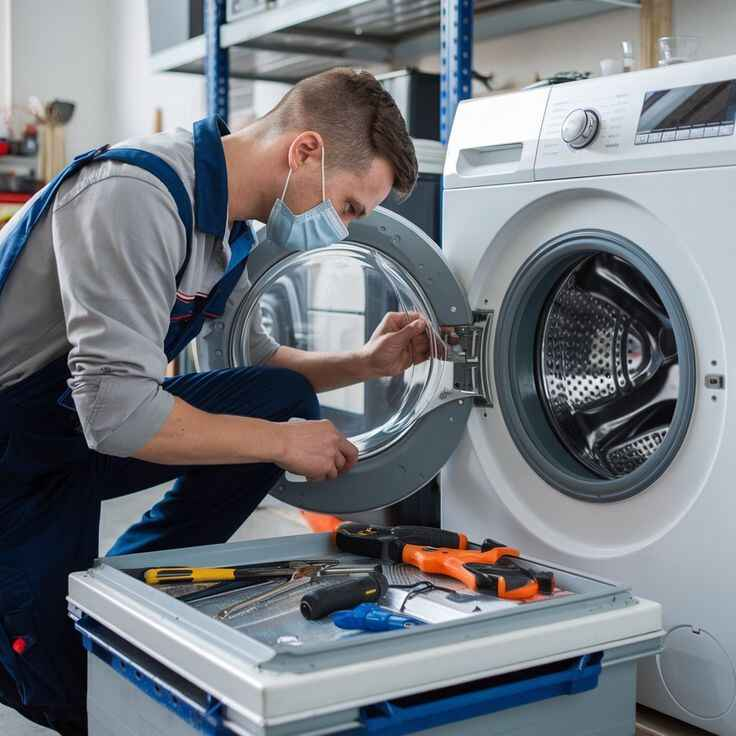
Performance Testing After Inspection
After evaluating each major component individually, technicians perform a complete operational test.
The appliance is monitored through filling, washing, draining, rinsing, and spinning while observing water flow, drum balance, vibration, noise levels, electrical performance, and overall operation.
This stage confirms whether all systems work together correctly and allows technicians to verify their diagnosis before recommending repairs.
Problems Frequently Found During Professional Inspections
Professional inspections commonly reveal problems that are not immediately visible to homeowners.
These include worn drum bearings, blocked drain pumps, damaged pressure switches, heating element failures, faulty electronic control boards, defective water inlet valves, worn suspension systems, broken door locks, damaged sensors, wiring faults, and early motor wear.
Finding these issues before complete failure often reduces repair costs while improving appliance reliability.
Why Accurate Diagnosis Saves Money
Replacing parts without identifying the real problem can become expensive very quickly. Many washing machine faults produce similar symptoms, making it difficult to determine the cause without professional testing.
For example, poor spinning may result from a drain pump issue, motor fault, electronic control board failure, pressure switch problem, or suspension defect. Replacing the wrong component increases repair costs without solving the problem.
Professional diagnosis ensures repairs focus only on defective components while protecting the rest of the appliance from unnecessary work.
Simple Maintenance After an Inspection
After completing the inspection, technicians often recommend maintenance practices that help prevent future breakdowns.
Cleaning the drain filter regularly, using the correct detergent, avoiding overloaded wash cycles, inspecting hoses periodically, cleaning the drum, and scheduling occasional servicing all contribute to improved appliance performance.
Small maintenance habits often prevent larger repairs while extending the washing machine’s lifespan.
Why Choose FixFast LLC?
At FixFast LLC, every inspection is performed using a structured diagnostic process rather than guesswork. Our experienced technicians evaluate mechanical systems, electronic controls, drainage components, heating circuits, safety features, and appliance performance before recommending repairs.
If you’re looking for washing machine repair Dubai, dependable washing machine repairs, or a professional washing machine service near me, our team focuses on accurate diagnostics, transparent recommendations, and long-lasting repair solutions. Every repair begins with understanding the appliance—not simply replacing parts.
Conclusion
A professional Home Appliance Repair and inspection is an investment in the long-term reliability of your appliance. By examining every major electrical, electronic, hydraulic, and mechanical system, technicians can identify developing faults before they lead to complete breakdowns. This systematic approach improves repair accuracy, extends appliance lifespan, enhances energy efficiency, and helps homeowners avoid unnecessary expenses.
When your washing machine begins showing signs of poor performance, unusual noises, drainage issues, or inconsistent operation, a professional inspection from FixFast LLC provides the expert diagnosis needed to restore dependable performance with confidence.