
A washing machine that fills, agitates, and drains normally but won’t spin at the end of the cycle is a specific, fairly narrow fault, different in cause from a machine that fails to start at all.
Because spinning is the last and most mechanically demanding stage of a cycle, this fault often points to something specific rather than a general failure, which makes it easier to narrow down than it might first appear.
An Unbalanced or Overloaded Drum
Most modern machines have a safety feature that prevents spinning if the load is detected as unbalanced or excessive, specifically to avoid damage or a dangerous vibration at high speed. A single heavy item, like a duvet, or a load that’s shifted to one side during the wash, can trigger this.
Redistributing the load evenly and restarting the spin cycle resolves this cause in a large share of cases without needing any repair at all.
A Broken or Worn Drive Belt
On machines with a belt-driven drum, a worn or snapped belt prevents the drum from spinning even though the motor itself still runs. This is usually accompanied by the motor sounding like it’s running normally while the drum stays still or spins very slowly.
Belt replacement is generally a straightforward, moderate-cost repair, and it’s one of the more common causes on machines that have been in use for several years.
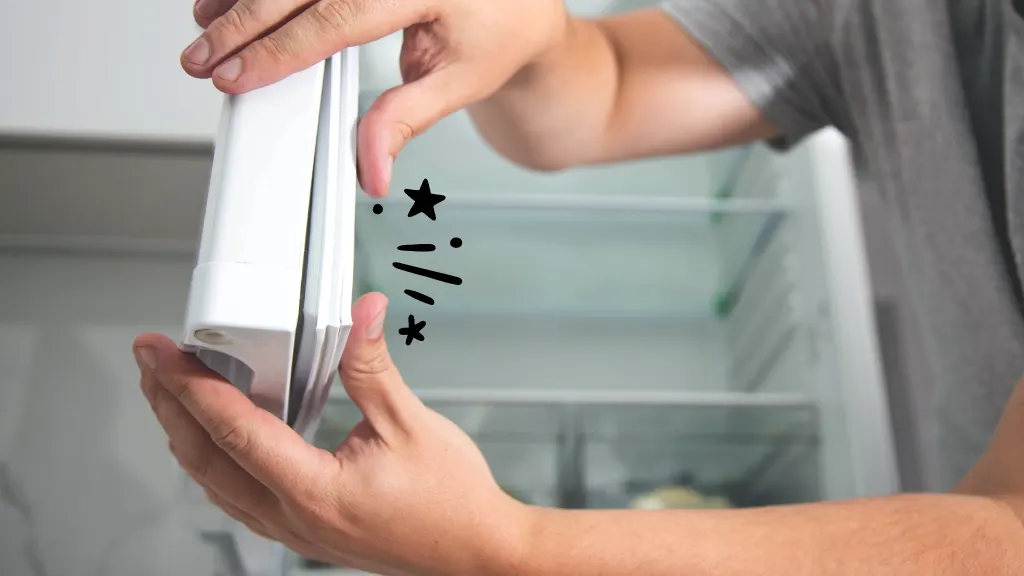
A Faulty Door Lock or Lid Switch
Most washing machines won’t spin, or sometimes won’t run at all, unless the door lock mechanism confirms the door is properly closed and secured. A worn or failing lock can prevent spinning even when the door looks closed normally, since the mechanism isn’t registering the closure correctly.
This fault is often mistaken for something more serious, when in reality it’s frequently one of the cheaper, more contained repairs on this list.
A Failing Motor or Motor Control Board
If load balance, the belt, and the door lock all check out fine, the cause shifts toward the motor itself or the electronic control board managing it. This is a more involved repair, and it’s more common on older machines where general component wear has accumulated over years of use.
A motor that hums or attempts to start but doesn’t actually spin the drum is a fairly clear sign the fault sits here rather than in one of the simpler categories above.
Drainage Issues That Prevent Spinning
Many machines are designed not to spin if they detect the tub hasn’t fully drained first, as a safety measure. A drainage fault, a blocked filter or pump, can therefore present as a spin failure even though the actual root cause is upstream in the drain system.
Checking whether water remains in the drum after the cycle finishes is a useful way to distinguish this cause from the others, since it points toward drainage rather than the spin mechanism itself.
Frequently Asked Questions
Can I fix an unbalanced load issue myself?
Yes, simply redistributing the load evenly and restarting the spin cycle resolves this cause without needing any tools or parts.
Is a broken belt an expensive repair?
Generally a moderate-cost repair, and one of the more straightforward fixes on this list once diagnosed.
Why would a machine not spin even though the door looks closed?
The door lock mechanism needs to register the closure correctly, not just look closed, so a worn lock can prevent spinning despite appearances.
How can I tell if the cause is the motor rather than something simpler?
A motor that hums or attempts to run without actually turning the drum is a fairly clear sign, though a technician can confirm this quickly with proper testing.
Does a spin failure always mean water is still in the drum?
Not always, but checking for remaining water is a useful first step, since it points toward a drainage cause rather than a spin mechanism issue.
Is it safe to keep using the machine if it washes and drains but won’t spin?
Generally yes short-term, though clothes will come out much wetter than usual until the underlying cause is fixed.
Does the age of the machine affect which cause is most likely?
Somewhat. Belt and general component wear becomes more likely on older machines, while balance and door lock issues occur across all ages.
Final Word
A spin failure narrows down to a handful of specific, checkable causes, load balance, the belt, the door lock, the motor, or an upstream drainage issue. A washing machine repair in Dubai technician can usually confirm which one applies within the first few minutes of a proper inspection.