
When doing laundry, most of us rarely give a second thought to how much clothing we toss into the drum. We either cram the machine to maximum capacity to save time or throw in a couple of items for a quick load. However, managing your washing machine’s capacity wisely is one of the single most important factors in determining how clean your clothes get, how much energy you consume, and how long your appliance will last.
Operating a washing machine at improper load sizes puts excessive physical strain on the drum bearings, suspension springs, and drive motor. For residents and property owners in Dubai, optimizing appliance efficiency is key to avoiding premature breakdowns. This practical guide explores how to load your washing machine correctly, the dangers of both overloading and underloading, and when to call professionals for home appliance repair.
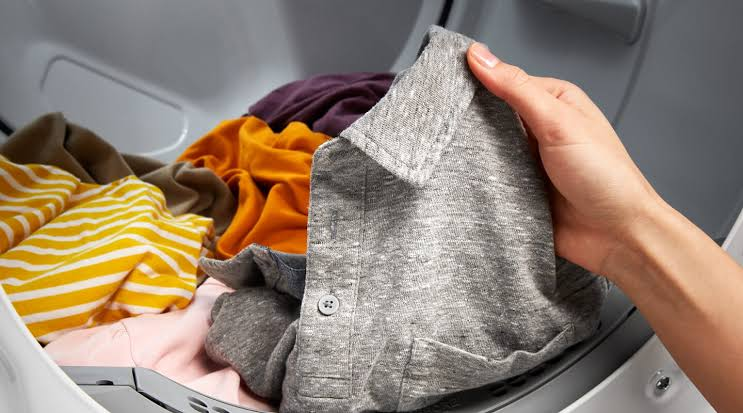
The Golden Rules of Washing Machine Capacity
Every washing machine is engineered with a specific dry-weight capacity—typically ranging from 6kg to 10kg or more in modern family-sized units. Understanding how to utilize this space correctly prevents mechanical failure and ensures optimal washing results.
1. Avoid the Overloaded Drum Trap
Cramming the washing machine until the door barely closes might feel like a great way to cut down on chores, but it severely compromises wash quality.
- Restricted Movement: Clothes need room to tumble freely so that water and detergent can penetrate every fiber. When the drum is stuffed too tight, garments clump together in a solid mass.
- Excessive Mechanical Wear: The massive weight of a soaking-wet, overloaded bundle places extreme stress on the drum bearings, spider arm, and shock absorbers. Over time, this imbalance causes violent shaking during spin cycles and can lead to premature motor burnout.
2. Guard Against Underloading
While overloading is harmful, chronically washing tiny two-item loads is also inefficient. Running a large-capacity machine for just a few shirts wastes gallons of water and significant amounts of electricity. Furthermore, underloading can throw the drum off-balance during high-speed spins just as easily as an overweight load, causing the machine to bang against its outer casing.
To maintain efficiency, aim for a balanced, three-quarters full drum where clothes can move freely without being restricted.
How Capacity Affects Cleaning Performance and Detergent Efficiency
When you respect your machine’s capacity limits, every component works in harmony:
- Optimal Circulation: Water jets and detergent dispensers are calibrated to distribute soap evenly across a standard load volume. Overloading leaves white powder or liquid streaks trapped in dry folds of fabric.
- Effective Rinsing: A proper load size allows the rinse cycle to completely flush out soap suds. Overloaded clothes trap detergent residue inside the fabric, which can stiffen garments and trigger skin irritations.
For specialized guidance on keeping your laundry equipment operating smoothly, exploring professional washing machine repair insights can help you identify when mechanical strain has turned into an actual component fault.
Practical Tips for Daily Load Management
To make the most of your machine’s drum capacity, adopt these smart laundry habits:
- The Palm Rule: As a quick rule of thumb, when you place your clothes into the drum, you should be able to comfortably slide your hand vertically between the top of the laundry pile and the top of the drum interior. If there is no room, the load is too big.
- Sort by Fabric Weight, Not Just Color: Heavy items like denim jeans and thick towels absorb massive amounts of water, creating an uneven weight distribution. Mix heavy garments with lighter shirts to keep the load balanced.
- Check Manufacturer Specifications: Always verify your specific model’s manual. Keep in mind that capacity ratings usually refer to dry weight, not wet weight.
To review the full spectrum of technical support available for your household appliances, checking our services ensures you have reliable professionals ready when unexpected issues arise.
When Capacity Issues Lead to Mechanical Repairs
If you have been inadvertently overloading your washing machine for months, the internal mechanics will eventually show signs of distress. You should call an expert technician if you encounter:
- Loud metallic screeching or grinding noises during the spin cycle, indicating worn-out drum bearings.
- The machine violently banging against the walls or walking across the floor due to broken suspension springs.
- The drum failing to turn entirely because the drive belt snapped under heavy resistance.
When your laundry routine is interrupted by hardware failure, professional intervention is required. Contact us at FixFast LLC for fast, dependable appliance repair and maintenance services across Dubai.
Frequently Asked Questions
Does a 7kg washing machine mean 7kg of wet clothes? No, appliance capacity ratings always refer to the maximum weight of dry clothing that can be safely loaded into the drum for a standard cycle.
Is it bad to wash just one heavy item like a blanket? Washing a single heavy item like a thick blanket or rug can throw the drum completely off-balance during high-speed spinning. It is best to wash bulky items alongside a few smaller, matching textiles to maintain balance.
How do I know if my washing machine is overloaded? If you have to push or force the clothes down to close the door, or if your hand cannot fit vertically between the top of the laundry and the drum ceiling, the machine is overloaded.
Can overloading cause a washing machine to leak? Yes, overloading can force suds and water past worn door gaskets or disrupt the internal pressure hoses, resulting in water pooling around the base of the machine.
When should I call a technician for washing machine vibrations? You should call a professional if your machine shakes violently, makes grinding noises, or throws error codes even when loaded correctly and leveled properly on the floor.