
Few laundry mishaps are as frustrating as discovering a dark, glossy oil or grease stain on your favorite garment. Whether it is cooking oil from a family dinner, greasy car engine fluid, or a splash of salad dressing, oil stains bond stubbornly with fabric fibers. Because water and oil naturally repel each other, simply tossing a greasy garment straight into a standard wash cycle rarely does the trick.
Conquering oil stains requires a strategic approach that combines proper pre-treatment with the advanced cleaning capabilities of your washing machine. When your laundry appliances are operating at peak performance, tackling tough stains becomes much easier. However, if your washing machine itself is struggling with drainage problems or spinning faults, even the best stain-removal routine can fall flat.
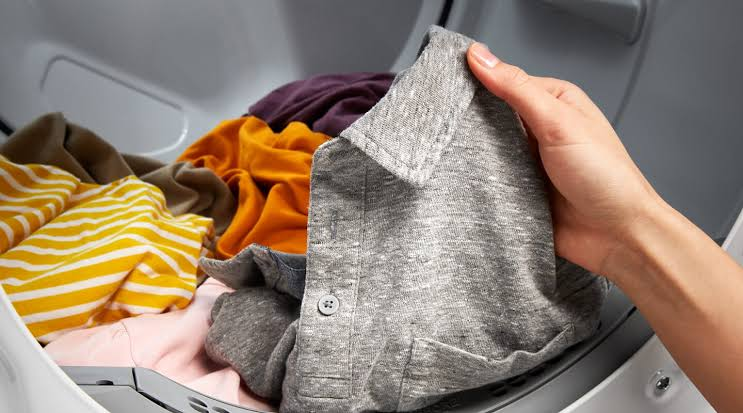
Why Oil Stains Are So Difficult to Remove
To successfully eliminate oil or grease, you need to understand how it behaves in fabric. Unlike mud or water-based dirt, oil molecules do not dissolve in water. Instead, they sink deep into synthetic or natural textile weaves, clinging tightly to the fibers.
When you put an oily garment directly into a cold water wash, the oil hardens, making it even harder to lift. Breaking this bond requires chemical intervention—specifically, agents that can break apart oil molecules so that water and detergent can wash them away down the drain.
Step-by-Step Guide to Pre-Treating Oil Stains
Before your washing machine ever touches the garment, you must perform proper pre-treatment. Never put an oil-stained item into a hot clothes dryer; the high heat will permanently set the stain, baking the oil into the fibers forever.
- Blot Excess Oil: If the spill is fresh, gently blot away any surface liquid using a clean paper towel or cloth. Avoid rubbing, as this pushes the oil deeper into the weave.
- Apply a Degreaser or Dish Soap: Dish soap is specifically formulated to cut through grease. Apply a small drop directly onto the stain and gently rub it in with your fingers or a soft-bristled brush. Let it sit for 10 to 15 minutes.
- Use a Stain Remover: For tougher engine grease or industrial oils, a commercial pre-wash stain remover or a paste made of baking soda and water can help lift the residue before the wash cycle begins.
Maximizing Your Washing Machine’s Cleaning Power
Once the stain has been properly pre-treated, your washing machine takes over the heavy lifting. To get the best results, configure your machine settings correctly:
- Opt for Warm or Hot Water: Unless the garment’s care label strictly forbids it, wash oil-stained clothes using warm or hot water. Heat helps liquefy trapped grease, allowing the laundry detergent to break it down more effectively.
- Use the Right Amount of Heavy-Duty Detergent: Quality detergents contain powerful surfactants specifically designed to encapsulate and rinse away oil particles.
- Don’t Overload the Drum: Cramming too many clothes into the washing machine prevents garments from tumbling freely. Proper movement ensures water and detergent reach every fiber of the stained clothing.
For a deeper understanding of how laundry equipment maintains efficiency, exploring professional washing machine repair insights can help you keep your machine spinning smoothly.
When a Faulty Washing Machine Ruins Your Laundry Routine
Even with the best stain-treating techniques, your efforts will be thwarted if your washing machine is experiencing internal malfunctions. Common appliance issues that ruin laundry results include:
- Failure to Drain: If standing water remains in the tub at the end of a cycle, your clothes will sit in dirty, greasy water, re-depositing oil back onto the fabric. This often points to a clogged drain pump filter or a blocked hose.
- Inadequate Water Heating: If your washing machine’s internal heating element fails, the water stays cold, preventing grease and oil from dissolving properly during the cycle.
- Inconsistent Spin Speeds: If a washing machine shakes violently or fails to reach high spin speeds, excess water and liquefied oil remain trapped in the fabric instead of being extracted.
When basic troubleshooting doesn’t resolve these performance drops, scheduling expert home appliance repair is essential to protect your wardrobe and your home.
Preventive Care and Long-Term Appliance Maintenance
Keeping your washing machine in top-notch condition requires routine care. Running a monthly empty hot-water cycle with a dedicated cleaner or white vinegar helps clear out residual grease, soap scum, and mold from the drum and internal pipes.
To review the full spectrum of technical support available for your household, checking our services ensures you have reliable professionals ready when unexpected breakdowns occur. If your laundry setup is acting up, contact us at FixFast LLC for fast, dependable appliance repair across Dubai.
Frequently Asked Questions
Can I put an oil-stained shirt directly into the dryer? No, you should never put an oil-stained garment into a dryer. The heat will permanently set the oil stain into the fabric fibers, making it virtually impossible to remove later.
Why is my washing machine leaving oily streaks on clothes? Oily streaks are often caused by a buildup of fabric softener, detergent residue, or lint mixed with body oils trapped inside the outer drum or rubber door seal. Running a self-cleaning cycle usually resolves this.
What temperature water is best for removing oil stains? Warm or hot water is best for dissolving and lifting oil and grease stains, provided the clothing manufacturer’s care label permits higher temperatures.
How do I know if my washing machine’s heating element is broken? If your wash cycles consistently feel cold to the touch even when set to high temperatures, or if clothes are not getting clean, the internal heating element may have failed and requires professional repair.
When should I call a technician for my washing machine? You should call a professional if your machine refuses to drain, won’t spin, trips your circuit breaker, or makes loud grinding noises during operation.