
A dishwasher is one of the most heavily relied-upon time-saving appliances in any modern kitchen. However, because it handles a daily combination of hot water, food debris, and harsh detergents, it is also highly susceptible to blockages and mechanical wear. For homeowners and tenants in Dubai, dealing with a broken dishwasher disrupts the daily routine and can lead to unexpected expenses.
Fortunately, the vast majority of severe dishwasher failures are entirely preventable. By understanding how your machine operates and implementing a few simple routine checks, you can drastically extend the lifespan of your appliance. This guide breaks down the essential maintenance habits that will save you from paying for costly emergency repairs.
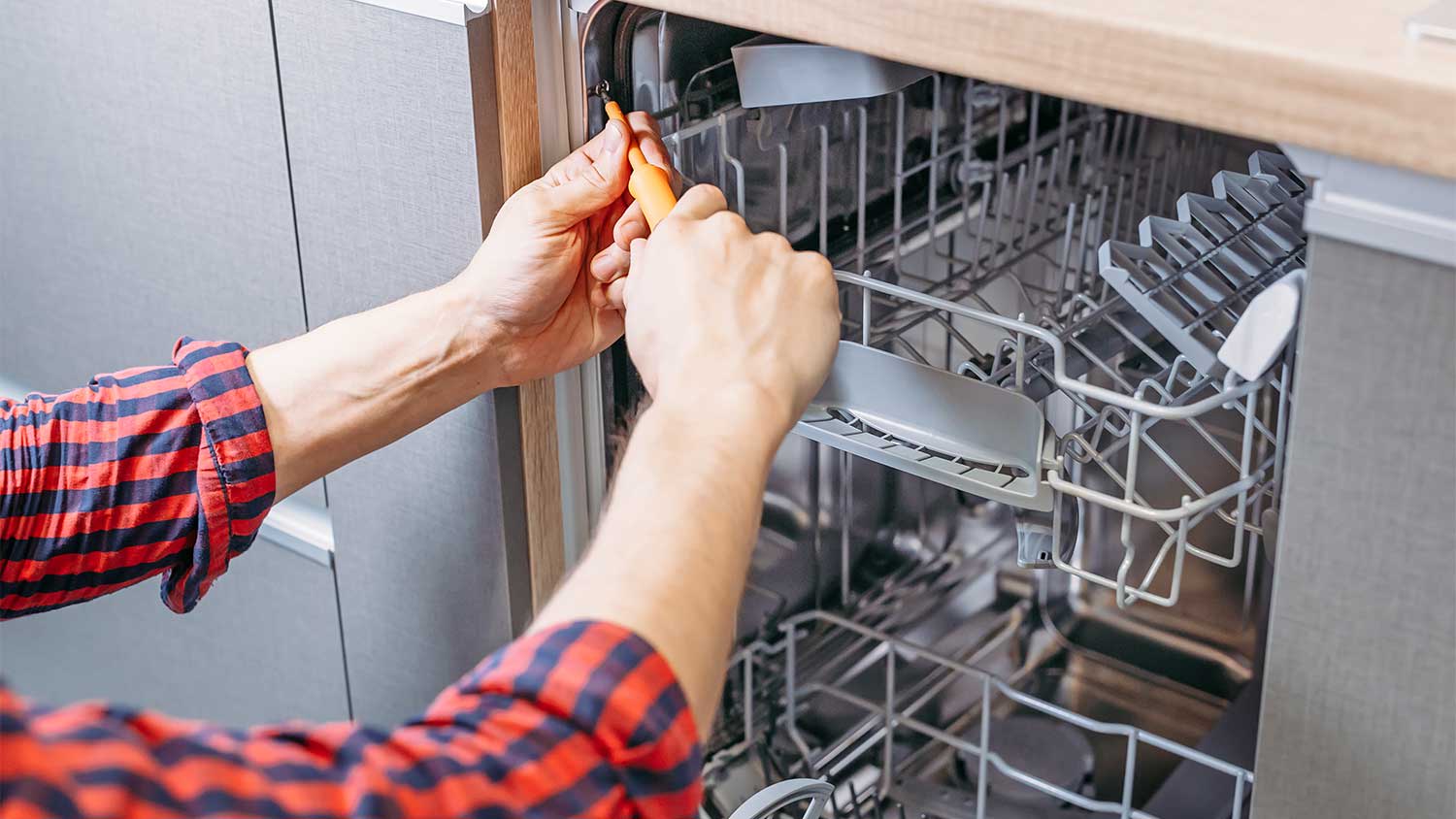
Why Do Dishwashers Break Down?
Dishwashers typically break down due to a combination of neglected filters, blocked spray arms, and the long-term accumulation of hard water minerals. When food debris is allowed to build up inside the drainage system, the internal pump must work significantly harder to push water out of the tub. Over time, this constant mechanical strain burns out the drain pump motor.
Additionally, failing to maintain the internal seals and moving parts can lead to severe water leaks, which not only damage the appliance’s sensitive electronic control board but can also ruin your kitchen flooring and cabinetry.
Routine Dishwasher Maintenance You Can Do at Home
You do not need to be a qualified technician to keep your dishwasher running efficiently. Implementing these three basic maintenance tasks every month will prevent the most common mechanical faults.
1. Clean the Dishwasher Filter
The primary cause of poor cleaning performance and standing water in the tub is a clogged filter. Located at the bottom of the dishwasher, the filter catches large food particles, grease, and labels that wash off jars. Remove the cylindrical filter every few weeks, rinse it thoroughly under warm water, and gently scrub the mesh with a soft brush to remove trapped grease. Operating the machine with a blocked filter forces dirty water to recirculate over your clean dishes.
2. Inspect and Unclog the Spray Arms
Your dishwasher relies on rotating spray arms to blast water onto your plates. If the tiny exit holes on these arms become blocked by hard water scale, seeds, or food particles, the water pressure drops significantly. You can easily unclip the upper and lower spray arms and use a toothpick or a piece of wire to carefully dislodge any trapped debris from the holes.
3. Wipe Down the Door Seals
The rubber gasket that lines the perimeter of the dishwasher door is the only barrier keeping boiling water inside the appliance. Food splatters and detergent residue can harden on this seal, preventing the door from closing flush and causing slow, hidden leaks. Wipe the gasket down weekly with a damp cloth and mild dish soap to keep the rubber flexible and watertight.
The Impact of Hard Water on Dishwashers in Dubai
The municipal water supply in the UAE naturally contains a high concentration of dissolved minerals like calcium and magnesium. When this hard water is heated inside your dishwasher, it leaves behind a chalky white residue known as limescale.
Limescale is highly destructive to home appliances. It coats the internal heating element, forcing the machine to consume more electricity to heat the water. It also calcifies inside the water inlet valves, which can eventually cause the machine to overfill or fail to draw water entirely. To combat this, homeowners must regularly use dishwasher salt to soften the water and run a monthly empty cycle with a commercial descaling agent to dissolve hidden mineral buildup.
Loading Mistakes That Lead to Dishwasher Damage
How you load your dishwasher directly impacts its mechanical health. According to the U.S. Department of Energy (DOE), scraping large food chunks off plates is essential, but completely pre-rinsing dishes is unnecessary and wastes water. However, you must ensure that tall items, such as baking trays or large spatulas, do not physically block the spinning spray arms. If an arm gets jammed against a pot handle during a cycle, the motor driving the water pump can overheat from the restricted flow.
Overloading the machine is another frequent mistake. Cramming too many plates into the racks prevents water and detergent from circulating properly, meaning you will likely have to run the cycle twice to get everything clean, putting unnecessary double wear on the internal components.
When Is Professional Dishwasher Repair Necessary?
While routine cleaning prevents blockages, internal components like the circulation pump, water inlet valve, and electronic control board will eventually require professional attention. You should seek expert help if your machine trips the circuit breaker, refuses to drain even after the filter is cleaned, makes loud grinding noises, or fails to heat the water.
Attempting to fix electrical faults or high-pressure water valves yourself can result in severe leaks or voided warranties. For dependable solutions, FixFast LLC provides expert dishwasher repair in Dubai. Our licensed technicians are trained to diagnose complex internal faults quickly and safely. Exploring our full range of our services ensures that you have a trusted partner for comprehensive home appliance repair whenever an emergency strikes.
Frequently Asked Questions
How often should I clean my dishwasher filter? You should clean your dishwasher filter at least once a month. If you run the appliance daily or frequently wash heavily soiled pots and pans without scraping them first, cleaning the filter every two weeks is recommended.
Why is there standing water at the bottom of my dishwasher? Standing water at the bottom of the tub is usually caused by a blocked filter, a kinked drain hose, or a clogged air gap. If cleaning the filter does not resolve the issue, the internal drain pump may be failing.
Does hard water ruin dishwashers? Yes, hard water leaves behind limescale deposits that coat the heating element, clog the spray arms, and damage the internal valves, significantly reducing the lifespan and efficiency of the appliance.
Why does my dishwasher smell bad? A bad smell is caused by trapped food debris and grease decaying inside the filter or the door seal. Running a hot wash cycle with a cup of white vinegar or a dedicated dishwasher cleaner will eliminate the odor.
Can I use regular dish soap in a dishwasher? No, you must never use regular liquid dish soap in a dishwasher. It creates excessive suds that will overflow from the machine, flooding your kitchen floor and potentially damaging the appliance’s internal sensors.
When should I call a technician for my dishwasher? You should call a technician if your dishwasher fails to drain, leaks water from the door, makes unusual loud noises, or flashes persistent error codes on the display panel. Contact us at FixFast LLC for fast, professional diagnostics and repair across Dubai.