
A duvet plays an important role in providing comfort and warmth, but because it is used every day, it also collects dust, sweat, body oils, allergens, and bacteria over time. Many people wash their bedsheets regularly yet overlook the duvet itself, assuming professional cleaning is always necessary. Fortunately, many duvets can be safely cleaned at home if you follow the correct washing process.
However, washing a bulky duvet incorrectly can damage the fabric, flatten the filling, overload the washing machine, or even lead to costly appliance repairs. Understanding how to wash a duvet properly helps protect both your bedding and your washing machine.
Whether you’re looking for advice on duvet care or searching for washing machine repair, washing machine repair Dubai, or a reliable washing machine repair service because your appliance has started struggling with heavy loads, this guide explains everything you need to know.
Check the Care Label Before Washing
Before placing a duvet inside the washing machine, always read the manufacturer’s care label.
Different duvets use different filling materials, including:
- Down
- Feather
- Hollow fibre
- Microfibre
- Cotton
- Wool
- Synthetic filling
Each material has recommended washing temperatures and drying instructions. Ignoring these guidelines may cause shrinkage, damaged stitching, or clumping of the filling.
If the label recommends dry cleaning only, avoid machine washing to prevent permanent damage.
Make Sure Your Washing Machine Is Large Enough
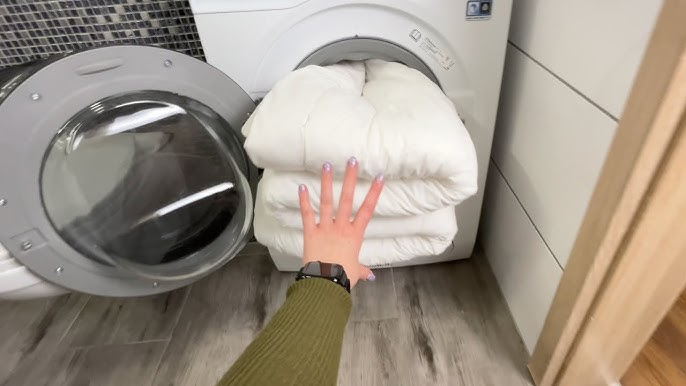
One of the biggest mistakes homeowners make is trying to wash an oversized duvet in a small washing machine.
A duvet needs enough room to move freely during the wash cycle. If the drum is overloaded, water and detergent cannot circulate properly, resulting in poor cleaning performance and placing unnecessary strain on the appliance.
Generally:
- A 7 kg washing machine is suitable for lightweight single duvets.
- An 8–9 kg machine is usually suitable for double duvets.
- King-size and super king duvets often require 10 kg or larger machines.
If the duvet feels tightly packed inside the drum, it is better to use a larger machine at a self-service laundry rather than risk damaging your appliance.
Inspect the Duvet for Damage
Before washing, examine the duvet carefully.
Look for:
- Loose stitching
- Small tears
- Open seams
- Worn fabric
- Damaged corners
Repairing small tears before washing prevents the filling from escaping during the spin cycle.
Choose the Correct Wash Cycle
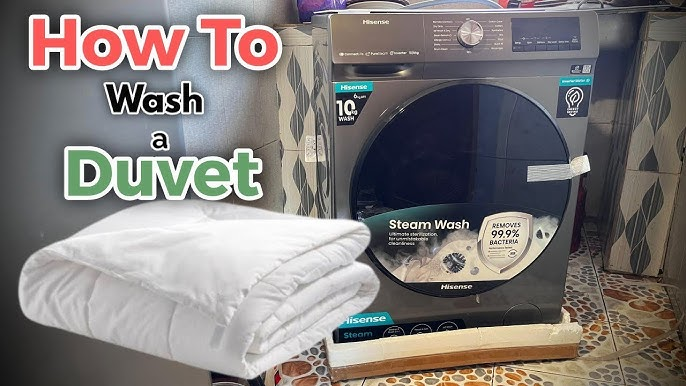
Most duvets should be washed using a gentle or bedding programme.
Avoid aggressive wash cycles that create excessive agitation, especially for feather and down duvets.
If your washing machine includes a dedicated duvet or bulky bedding programme, this is usually the safest option.
Gentle washing protects both the fabric and the filling while reducing unnecessary wear on your washing machine.
Use the Right Amount of Detergent
Using more detergent does not produce cleaner bedding.
Excess detergent often leaves residue trapped inside the filling, making the duvet feel stiff and reducing softness.
Choose a mild liquid detergent whenever possible.
Liquid detergents dissolve more easily than powder detergents and rinse out more effectively from thick bedding materials.
Avoid using bleach unless the care label specifically allows it.
Select the Correct Water Temperature
Temperature is just as important as detergent selection.
Many synthetic duvets can be washed at 30°C to 40°C, while some cotton duvets tolerate slightly warmer temperatures.
Down and feather duvets often require lower temperatures to protect the natural filling.
Always follow the manufacturer’s recommendations instead of selecting hotter temperatures unnecessarily.
Don’t Overload the Machine
Even if the duvet technically fits inside the drum, overloading the washing machine can cause several problems.
These include:
- Poor cleaning
- Excessive vibration
- Drum imbalance
- Longer wash times
- Increased motor strain
- Bearing wear
Heavy loads also increase the risk of future washing machine repairs, especially if oversized bedding is washed frequently.
Add an Extra Rinse Cycle
Because duvets absorb large amounts of water and detergent, an additional rinse cycle is often beneficial.
Extra rinsing helps remove:
- Remaining detergent
- Dirt particles
- Dust
- Allergens
Removing detergent completely also keeps the filling softer after drying.
Dry the Duvet Properly
Drying is just as important as washing.
A damp duvet may develop unpleasant smells or mould if stored before drying completely.
If using a tumble dryer:
- Follow the care label.
- Use low heat.
- Add dryer balls or clean tennis balls to help redistribute the filling.
- Pause occasionally to shake the duvet.
If air drying:
- Hang the duvet in a well-ventilated area.
- Turn it regularly.
- Allow sufficient drying time before use.
Complete drying prevents moisture from remaining inside the filling.
How Often Should You Wash a Duvet?
Most duvets only require washing once or twice each year under normal household use.
However, more frequent cleaning may be beneficial if:
- You have allergies.
- Pets sleep on the bed.
- Someone has recently been ill.
- The duvet develops noticeable odours.
- Spills occur.
Using a quality duvet cover also reduces how often deep cleaning becomes necessary.
Can Washing Heavy Bedding Damage Your Washing Machine?
Large bedding items place more stress on washing machines than everyday clothing.
Repeated overloading may contribute to:
- Drum bearing wear
- Suspension damage
- Motor strain
- Shock absorber wear
- Spin cycle imbalance
If your washing machine begins making loud noises, vibrating excessively, or struggling to spin after washing heavy bedding, professional inspection is recommended.
Signs Your Washing Machine Needs Attention
After washing bulky items, monitor your appliance for warning signs.
These include:
- Excessive vibration
- Loud spinning noises
- Water leakage
- Poor drainage
- Slow spinning
- Error codes
- Burning smells
- Drum movement problems
Early diagnosis prevents minor faults from becoming major repairs.
Tips to Keep Both Your Duvet and Washing Machine in Good Condition
Simple maintenance habits help protect both your bedding and your appliance.
Follow these recommendations:
- Wash duvets only when necessary.
- Never overload the drum.
- Use liquid detergent.
- Clean the washing machine filter regularly.
- Leave the door open after washing.
- Inspect the drum for trapped fibres.
- Run a maintenance wash periodically.
These small steps improve appliance performance while extending its lifespan.
Why Professional Washing Machine Maintenance Matters
Even with proper care, washing machines experience normal wear over time.
Professional servicing helps identify developing problems involving:
- Drum bearings
- Suspension systems
- Drain pumps
- Motors
- Electronic controls
- Water inlet valves
- Heating elements
Routine inspections help maintain reliable performance while reducing the likelihood of unexpected breakdowns.
Why Choose FixFast LLC?
At FixFast LLC, we provide professional washing machine repair, maintenance, and diagnostics for all major washing machine brands throughout Dubai. Whether your appliance struggles with heavy loads, develops unusual noises, leaks water, or displays error codes, our experienced technicians provide accurate diagnosis and dependable repair solutions.
If you’re looking for washing machine repair Dubai or a trusted washing machine repair service, our team is committed to restoring your appliance quickly while helping extend its operational life.
Frequently Asked Questions
Can every duvet be machine washed?
No. Always check the manufacturer’s care label before washing. Some duvets require professional dry cleaning.
What temperature is best for washing a duvet?
Most synthetic duvets wash safely between 30°C and 40°C, but always follow the care label.
Can I wash a king-size duvet in a standard washing machine?
Only if your washing machine has sufficient drum capacity. Overloading can damage both the duvet and the appliance.
Why does my duvet smell after washing?
It may not have dried completely. Moisture trapped inside the filling can cause unpleasant odours.
Can heavy bedding damage my washing machine?
Repeated overloading places additional strain on the motor, bearings, suspension, and drum, potentially leading to future repairs.
Conclusion
Washing a duvet in your washing machine is a convenient way to keep your bedding fresh, hygienic, and comfortable, provided you follow the correct steps. Choosing the right wash programme, avoiding overloading, using the correct detergent, and drying the duvet thoroughly all contribute to better cleaning results while protecting your appliance. If your washing machine begins showing signs of strain after handling bulky bedding, FixFast LLC provides expert washing machine repair Dubai services to restore reliable performance and keep your appliance operating efficiently for years to come.