
When a window air conditioner starts making a loud screeching noise, vibrates violently, or stops blowing air entirely, the problem is frequently linked to the fan assembly. In a window AC unit, a single double-ended blower motor drives both the indoor squirrel-cage blower wheel and the outdoor condenser fan blade.
Over years of continuous operation, dust buildup, worn motor bearings, or loose mounting brackets can cause the fan to fail. Addressing fan issues early prevents motor burnout and restores efficient cooling to your space.
Electrical Safety Warning
Always unplug your window air conditioner from the wall outlet before removing the cabinet or touching internal wiring. Capacitors can retain high voltage even after power is disconnected.
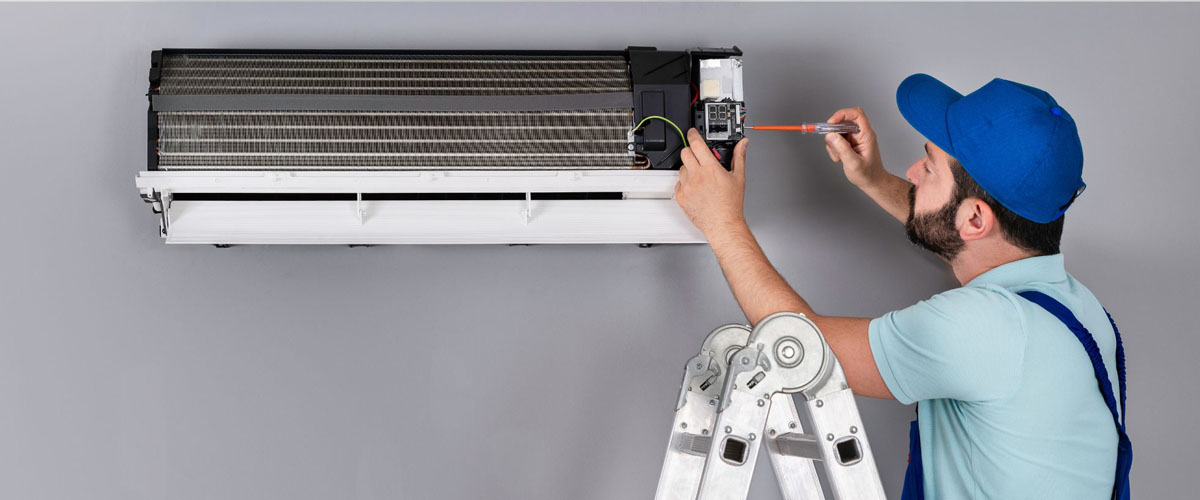
Common Fan Problems and Diagnostic Steps
Before attempting a repair, identify the specific symptom your window AC is exhibiting:
- Loud Screeching or Squealing: Usually caused by dry or rusted motor sleeve bearings that need lubrication or replacement.
- Scraping or Thumping Noises: Occurs when a fan blade or blower wheel is loose, rubbing against the plastic housing or copper refrigerant lines.
- Motor Hums But Won’t Spin: Indicates a seized bearing, a stuck shaft, or a failed fan run capacitor.
Step-by-Step Window AC Fan Repair Guide
Step 1: Remove the Outer Cabinet
Unplug the air conditioner, unscrew the mounting screws securing the outer metal sleeve, and carefully slide the internal chassis out of the metal casing in a well-ventilated workspace.
- Verification: The internal mechanical components, electrical control box, and fan motor housing are fully exposed.
Step 2: Inspect and Clean the Fan Blades
Inspect both the outdoor condenser propeller blade and the indoor squirrel-cage blower wheel for accumulated dust, pet hair, or obstructions. Use a soft brush and mild soap to clean debris off the blades.
- Verification: The blades spin freely by hand without catching on any surrounding wires or plastic shrouds.
Step 3: Check for Loose Mounts and Set Screws
Locate the metal motor mounting bracket and the set screw securing the fan blades to the motor shaft. Over time, heavy vibrations loosen these fasteners. Tighten the motor mount bolts and secure the blade set screw using an Allen wrench.
- Verification: The fan blades have zero wobble or lateral play when shaken gently by hand.
Step 4: Test and Lubricate or Replace Motor Bearings
If the motor spins sluggishly or makes a grinding noise, rotate the shaft by hand. If it feels stiff, apply a few drops of non-detergent SAE 20 mineral oil to the front and rear motor bearing ports. If the bearings are severely worn and side-to-side play is present, the motor must be replaced.
- Verification: The motor shaft spins smoothly and silently with a single flick of the finger.
Preventative Maintenance Tips
- Clean Air Filters Biannually: Prevent dust from getting sucked into the blower housing by washing your filters every month.
- Inspect Annually: Check motor brackets and fan alignment before the peak summer season begins.
Frequently Asked Questions
Can a window AC fan motor be repaired, or does it need replacement? If the internal electrical windings burn out or the sealed sleeve bearings seize permanently, the entire fan motor must be replaced. Minor friction issues can sometimes be resolved with cleaning and lubrication.
Why does my window AC fan hum but refuse to turn? A humming motor usually points to a bad capacitor, a seized bearing, or a foreign object jammed in the fan blades preventing rotation.
Is it safe to run a window AC with a noisy fan? No. Running a unit with a scraping or squealing fan puts excessive mechanical strain on the motor, which can cause it to overheat and trip electrical breakers.
How do I test a window AC fan capacitor? Testing a capacitor requires a digital multimeter with a microfarad (μF) setting. Always discharge the capacitor safely with an insulated screwdriver before testing.
Where can I get professional help for air conditioning repairs? To explore professional technical support across Dubai, reviewing our services helps you understand how we support your equipment. You can also explore expert home appliance repair insights or dedicated air conditioning repair services. If your unit requires expert attention, contact us at Fix Fast today for prompt service.