
Modern clothes dryers offer multiple drying programs to make laundry easier, and one of the most useful is the Auto Cycle. Unlike timed drying, the Auto Cycle uses sensors to detect moisture levels in your clothes and automatically adjusts the drying time. This helps prevent over-drying, reduces energy consumption, and protects fabrics from unnecessary wear.
However, if the Auto Cycle isn’t working correctly, your clothes may come out damp, overly dry, or the dryer may stop before the load is completely dry. While some issues are caused by simple maintenance problems, others require professional attention.
If you’re looking for dryer repair Dubai, understanding the common causes of Auto Cycle failure can help you restore your dryer’s performance quickly.
How Does the Auto Cycle Work?
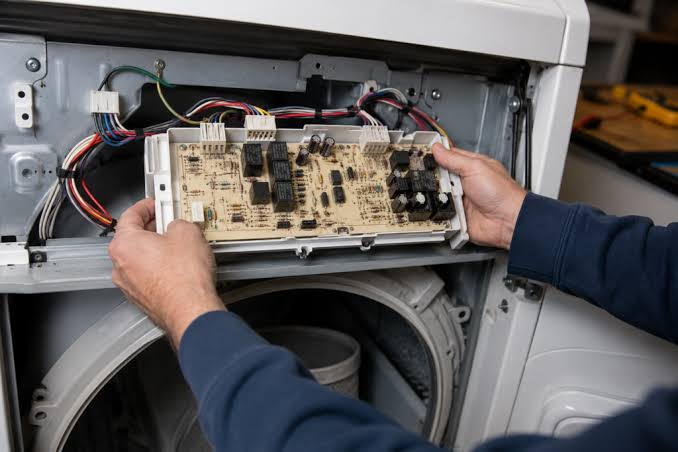
Auto Cycle relies on moisture sensors and temperature sensors inside the dryer.
As clothes dry, the sensors monitor moisture levels and communicate with the electronic control board. Once the clothes reach the selected dryness level, the dryer automatically ends the cycle.
When one of these components fails, the dryer may no longer calculate drying time correctly.
1. Dirty Moisture Sensors
One of the most common reasons the Auto Cycle stops working is dirty moisture sensors.
Fabric softener residue, detergent buildup, and lint can coat the sensors over time, preventing them from accurately detecting moisture.
Common symptoms include:
- Clothes remain damp
- Dryer stops too early
- Cycle finishes much faster than expected
- Dryer runs longer than necessary
Cleaning the sensors gently with a soft cloth and a small amount of rubbing alcohol often improves performance.
2. Clogged Lint Filter
A clogged lint filter restricts airflow inside the dryer.
Poor airflow makes it difficult for the appliance to remove moisture efficiently, confusing the Auto Cycle system.
To maintain proper performance:
- Clean the lint filter after every load.
- Inspect it for trapped fabric residue.
- Replace damaged filters if necessary.
Simple maintenance can significantly improve drying efficiency.
3. Blocked Dryer Vent
Even if the lint filter is clean, a blocked exhaust vent can still reduce airflow.
Lint gradually accumulates inside the vent pipe, preventing hot, moist air from leaving the dryer.
Warning signs include:
- Longer drying times
- Clothes staying damp
- Excessive heat
- Dryer shutting off early
Professional vent cleaning is recommended if airflow remains restricted.
4. Faulty Moisture Sensor
Sometimes the moisture sensor itself becomes defective.
A damaged sensor may incorrectly report that clothes are already dry, causing the Auto Cycle to stop prematurely.
Alternatively, it may fail to detect dryness and continue running unnecessarily.
Professional testing determines whether the sensor needs replacement.
5. Defective Temperature Sensor
The temperature sensor helps regulate drying conditions throughout the cycle.
If it provides inaccurate readings, the dryer cannot correctly determine drying progress.
Symptoms may include:
- Overheating
- Under-drying
- Inconsistent drying performance
- Unexpected cycle completion
Replacing a faulty temperature sensor restores accurate operation.
6. Electronic Control Board Problems
The electronic control board manages every dryer function, including Auto Cycle calculations.
Power fluctuations, age, or internal component failure can affect the board’s ability to process sensor information correctly.
Possible signs include:
- Random cycle interruptions
- Error codes
- Buttons not responding
- Auto Cycle failing while timed drying still works
Electronic diagnostics are usually required to confirm control board faults.
7. Overloading the Dryer
Large laundry loads reduce airflow between clothes.
When air cannot circulate properly, moisture remains trapped inside the load, making it difficult for the sensors to determine actual dryness.
To improve drying performance:
- Avoid filling the drum completely.
- Separate heavy and lightweight fabrics.
- Leave enough space for clothes to tumble freely.
Proper loading helps the Auto Cycle work as designed.
8. Worn Internal Components
As dryers age, several internal parts may wear out, including:
- Blower wheels
- Heating elements
- Thermostats
- Wiring connections
- Motors
These components affect airflow and heating performance, which can interfere with the Auto Cycle’s ability to accurately detect drying progress.
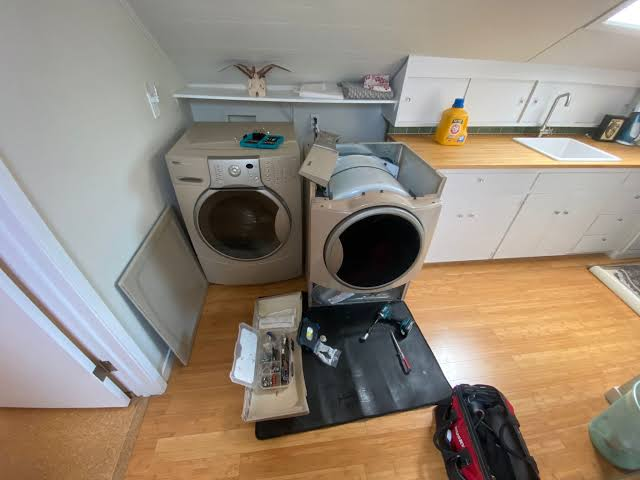
A professional inspection can identify worn parts before they lead to complete appliance failure.
Can You Continue Using Timed Drying?
Yes.
If the Auto Cycle isn’t functioning properly, the Timed Dry setting may still operate normally.
However, relying on timed drying for long periods isn’t ideal because it may:
- Increase electricity usage
- Over-dry clothing
- Reduce fabric lifespan
- Hide developing mechanical problems
It’s best to identify and repair the underlying issue as soon as possible.
Preventive Maintenance Tips
Regular maintenance helps keep your dryer operating efficiently.
Follow these simple recommendations:
- Clean the lint filter after every load.
- Wipe moisture sensors every few months.
- Inspect the exhaust vent regularly.
- Avoid overloading the drum.
- Use the correct drying settings.
- Schedule annual professional servicing.
- Listen for unusual noises during operation.
These habits improve performance while extending the life of your appliance.
When Should You Call a Professional?
Professional repairs are recommended if:
- Auto Cycle always ends too early.
- Clothes remain damp after every cycle.
- The dryer overheats.
- Error codes appear on the display.
- Timed Dry works but Auto Cycle doesn’t.
- The appliance makes unusual noises.
- Cleaning the sensors doesn’t solve the problem.
Prompt diagnosis helps prevent additional damage and keeps your dryer operating efficiently.
Why Choose FixFast LLC?
At FixFast LLC, we provide professional dryer repair Dubai services for all major dryer brands. Our experienced technicians diagnose moisture sensor faults, heating element failures, electronic control board issues, thermostats, motors, airflow restrictions, and other common dryer problems using advanced diagnostic equipment.
Whether your dryer’s Auto Cycle isn’t working, the appliance isn’t heating properly, or drying times have increased, our team delivers reliable repair solutions that restore safe and efficient performance throughout Dubai.
Frequently Asked Questions
Why does my dryer Auto Cycle stop too early?
Dirty or faulty moisture sensors, restricted airflow, or temperature sensor problems are among the most common causes.
Can dirty moisture sensors affect drying performance?
Yes. Residue on the sensors prevents accurate moisture detection, causing the Auto Cycle to end too soon or run too long.
Why does Timed Dry work but Auto Cycle doesn’t?
This usually indicates a problem with the moisture sensors, temperature sensors, or the electronic control board rather than the heating system.
How often should I clean my dryer sensors?
Cleaning the moisture sensors every few months helps maintain accurate Auto Cycle performance.
Is it safe to continue using the dryer?
If the dryer heats normally but the Auto Cycle isn’t working, you may temporarily use Timed Dry. However, recurring problems should be inspected to prevent larger repairs.
Conclusion
A dryer’s Auto Cycle is designed to save energy and protect your clothes by automatically adjusting drying time based on moisture levels. When it stops working correctly, the problem is often linked to dirty sensors, restricted airflow, faulty temperature sensors, or electronic control issues. Addressing these problems early helps improve drying performance, reduce energy consumption, and extend the life of your appliance. If your dryer continues to experience Auto Cycle problems, FixFast LLC provides expert dryer repair Dubai services with accurate diagnostics and dependable repairs for all major dryer brands.